
February 9, 2023
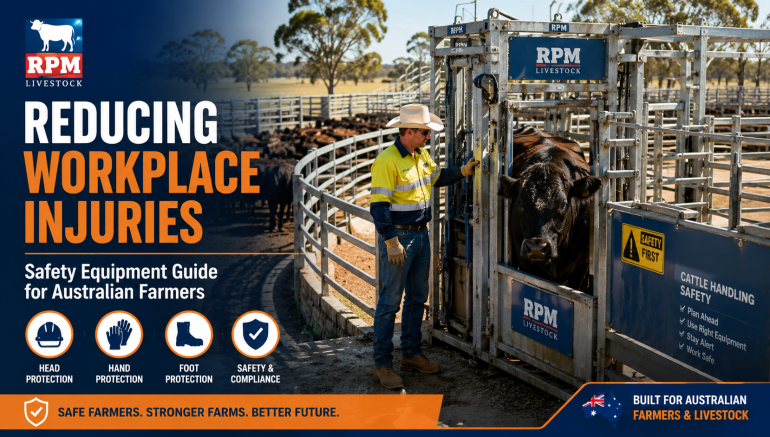
Cattle handling remains one of the highest-risk activities on Australian beef farms. From crush injuries and kicks to slips, strains, and vehicle incidents, livestock-related injuries continue to affect producers, workers, contractors, and family members across the industry. For beef producers operating in NSW, Queensland, Victoria, WA, and the Northern Territory, improving cattle handling safety is no longer just about compliance. It is about protecting workers, improving efficiency, reducing downtime, and creating safer long-term operations.
Modern livestock handling equipment now plays a major role in reducing workplace injuries on Australian farms. Well-designed cattle yards, crushes, air-operated equipment, and safe handling systems can dramatically lower physical strain and minimise dangerous situations during processing. As an Australian manufacturer of livestock handling equipment, RPM Livestock Equipment works with producers to improve both operational efficiency and on-farm safety through practical cattle handling solutions designed for harsh rural conditions.
Why Cattle Handling Safety Matters
Cattle are large, powerful, and unpredictable animals. Even calm livestock can react suddenly when stressed, frightened, or pressured in confined spaces.
Common cattle handling injuries include:
- Crushing injuries
- Kicks and head strikes
- Broken bones
- Back and shoulder strains
- Finger and hand injuries
- Slip and fall incidents
- Vehicle and loading accidents
Many of these injuries occur during routine activities such as:
- Drafting cattle
- Loading trucks
- Vaccinating livestock
- Pregnancy testing
- Ear tagging
- Moving cattle through races
- Manual gate operation
For Australian beef operations, workplace injuries can create major disruptions, especially during busy seasonal periods.
The Link Between Yard Design and Farm Safety
One of the biggest contributors to livestock handling injuries is poor cattle yard design.
Unsafe yards often include:
- Tight working spaces
- Poor cattle flow
- Slippery surfaces
- Heavy manual gates
- Inadequate escape routes
- Poor visibility
- Unsafe loading ramps
A modern cattle handling system should reduce stress on both livestock and handlers.
Well-designed yards improve:
- Operator safety
- Livestock movement
- Workflow efficiency
- Processing speed
- Animal welfare outcomes
Australian producers are increasingly upgrading older facilities to improve both productivity and workplace safety.
Common Causes of Cattle Handling Injuries
1. Poor Livestock Flow
Cattle that stop, baulk, or turn suddenly create dangerous pressure points. Sharp corners, shadows, loud noises, and distractions can all interrupt flow and increase agitation. Curved races and properly designed forcing yards help cattle move more calmly and predictably.
2. Excessive Manual Handling
Heavy manual operations place strain on workers during long processing days.
Repeated lifting, pushing, pulling, and gate operation can lead to:
- Back injuries
- Shoulder strain
- Fatigue-related accidents
This is where modern cattle handling equipment becomes especially valuable.
3. Inadequate Restraint Systems
Poor restraint systems increase risks during procedures such as:
- Vaccinations
- Ear tagging
- Artificial insemination
- Pregnancy testing
Proper crushes and headbails improve animal control while reducing direct contact between operators and livestock.
4. Slips, Trips, and Falls
Mud, manure buildup, poor drainage, and uneven surfaces all contribute to falls in cattle yards.
Non-slip surfaces and proper drainage design are critical safety features for Australian farms.
Essential Safety Equipment for Australian Cattle Handling
Air Cradles
Air-operated cradles are becoming increasingly popular across Australian beef operations because they reduce physical strain significantly.
Benefits include:
- Reduced manual lifting
- Safer animal positioning
- Better operator control
- Improved efficiency during processing
- Lower fatigue levels
Air cradles are particularly useful during procedures requiring prolonged handling or detailed treatment work. For producers handling large cattle numbers, reducing repetitive physical effort can make a major difference over time.
Headbails
Modern headbails improve livestock restraint and minimise dangerous movement during handling.
Good headbail systems provide:
- Secure animal positioning
- Fast operation
- Reduced stress on livestock
- Safer treatment access
- Lower operator injury risk
Air-operated or hydraulic systems further reduce manual effort and improve processing speed. High-quality headbails also reduce bruising and animal agitation during procedures.
Crush Safety Features That Matter
The cattle crush is one of the most important safety components in any livestock handling system.
Modern crushes should include:
- Non-slip flooring
- Emergency release systems
- Safe side access
- Quiet operation
- Strong locking mechanisms
- Adjustable animal sizing
- Durable steel construction
Australian producers often favour heavy-duty galvanised crushes designed for long-term reliability in harsh rural environments.
Safe Race Design for Better Cattle Flow
Race systems play a major role in both cattle handling efficiency and worker safety.
Well-designed races should:
- Encourage calm forward movement
- Minimise distractions
- Prevent backing
- Allow safe operator access
- Reduce pressure points
Solid-sided races often improve livestock flow because cattle are less distracted by outside movement. Curved races also work with natural cattle behaviour, improving movement while lowering stress levels.
Loading Ramp Safety
Truck loading remains one of the higher-risk livestock handling activities.
Unsafe ramps can lead to:
- Slips and falls
- Livestock panic
- Crush injuries
- Vehicle-related incidents
A safe loading ramp should include:
- Anti-slip flooring
- Solid sides
- Gradual incline
- Safe operator walkways
- Adjustable truck height compatibility
Efficient loading systems reduce stress on both livestock and workers during transport operations.
Importance of Operator Training
Even the best cattle handling equipment requires proper training. Many livestock injuries result from rushed handling or poor understanding of cattle behaviour.
Key training areas include:
- Reading livestock movement
- Low-stress handling techniques
- Safe positioning
- Equipment operation
- Emergency procedures
- Gate management
- Safe loading practices
Regular staff training improves consistency and reduces unnecessary risks during busy processing periods.
Understanding Cattle Behaviour Improves Safety
Cattle handling becomes much safer when producers understand how livestock naturally respond to pressure.
Important behavioural principles include:
- Cattle prefer to follow each other
- Sudden movements increase stress
- Loud noise causes agitation
- Shadows can stop movement
- Calm handling improves flow
Working with cattle behaviour rather than against it reduces accidents significantly. Low-stress handling techniques are now widely used across progressive Australian beef operations.
Case Study: Family Farm in NSW
A family-run beef farm in regional NSW upgraded older manual yards with:
- Curved races
- Improved headbails
- Safer gate systems
- Better lighting
- Non-slip concrete areas
The result was improved cattle flow, faster processing times, and reduced physical strain during handling days. Smaller upgrades often create major safety improvements without requiring complete rebuilds.
Case Study: Large Queensland Cattle Operation
A large Queensland station handling several thousand head annually invested in:
- Air-operated cattle handling systems
- High-capacity crushes
- Expanded receiving yards
- Safer loading ramps
- Multiple drafting lanes
Reducing manual handling demands allowed the operation to improve efficiency while lowering workplace injury risks for staff.
Safety Standards and Compliance
Australian beef producers must also consider workplace health and safety obligations when designing and operating livestock handling systems.
Key safety priorities include:
- Safe access points
- Emergency escape routes
- Proper equipment maintenance
- Worker training
- Clear operating procedures
Modern equipment helps producers meet safety expectations while improving day-to-day operations.
Importance of Equipment Maintenance
Poorly maintained cattle handling equipment creates unnecessary hazards.
Regular maintenance should include:
- Checking hinges and latches
- Inspecting welds
- Repairing damaged rails
- Maintaining hydraulic and air systems
- Cleaning non-slip surfaces
- Ensuring proper gate alignment
Preventative maintenance reduces equipment failure and improves long-term safety.
Why Investing in Safety Pays Off
Improving livestock handling safety is not just an expense. It is an investment in operational performance.
Safer systems often lead to:
- Faster processing
- Reduced labour fatigue
- Lower injury costs
- Better livestock outcomes
- Improved productivity
- Reduced downtime
For Australian beef producers, reliable cattle handling equipment supports both profitability and workplace wellbeing.
Using Technology to Improve Farm Safety
Many modern Australian cattle operations are now incorporating technology into cattle handling systems.
Examples include:
- Remote-operated gates
- Electronic identification systems
- Automated drafting systems
- Digital weighing equipment
- Monitoring cameras
These technologies help reduce direct livestock contact and improve operational control.
Frequently Asked Questions
What is the most common cattle handling injury?
Crush injuries, kicks, strains, and slip-related incidents are among the most common injuries during livestock handling.
How do air cradles improve farm safety?
Air cradles reduce physical lifting and manual handling, lowering fatigue and improving operator safety during cattle processing.
Why are curved cattle races safer?
Curved races improve natural cattle flow, reduce stress, and minimise sudden animal movement that can lead to injuries.
What safety features should a cattle crush have?
Important features include non-slip flooring, secure restraint systems, emergency release functions, and safe operator access.
How often should cattle handling equipment be maintained?
Equipment should be inspected regularly, especially before major processing periods, to ensure safe operation and prevent failures.
Conclusion
Reducing workplace injuries in cattle handling starts with better systems, smarter equipment, and safer operational practices. For Australian beef producers, investing in modern livestock handling safety equipment can improve productivity while protecting workers and livestock alike.
Whether upgrading older yards or planning entirely new facilities, focusing on cattle handling safety creates long-term benefits across every part of the operation.
To explore durable Australian-made cattle handling equipment designed for efficiency and safety, visit our website RPM Livestock Equipment https://www.rpmrural.com